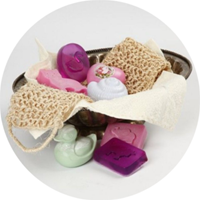
Making your own soap: Everything you need to know
Making your own soap is a fun, creative, and sustainable way to create your own personal care products. Whether you choose natural ingredients, a delightful scent, or an original design, there are endless ways to make your own soap. In this article, you'll discover everything you need to know; from supplies to our method and handy tips to get started right away.
What do you need to know to make your own soap?
Making your own soap is easier than you think, especially if you use the melt and pour method. This technique allows you to create your own soap without chemical reactions. With our various products, from soap bases and fragrances to dyes and molds, you can get started right away.
Why make your own soap?
There are several advantages to making your own soap:
- • Natural and skin-friendly – you decide what goes into your soap.
- • Environmentally friendly – no plastic packaging and less waste.
- • Creative and personal – you can combine colors, shapes, and scents as you wish.
- • Perfect as a gift – handmade soap is unique and personal.
- • Fun as a creative activity, alone or with a group, and with a great, usable result.
What do you need to make soap?
The Soap making supplies include:
- • Soap base
- • Fragrances
- • Colorants
- • Soap molds
- • Melting bowl or glass measuring cup – for melting the soap base
- • Microwave or double boiler – for heating the soap
Which soap base should I use?
White soap base
Description: A mild, ready-to-use base that is creamy and opaque.
Use: Ideal for incorporating soft, pastel, or solid colors.
Features: Softens the skin and is suitable for classic designs.
Transparent Soap base
Description: Clear, mild base suitable for melt-and-pour soap.
Use: Perfect for creative, transparent projects such as layered designs.
Features: Allows additives to show through and is popular for gift soaps.
Shea butter soap base
Description: Soap base enriched with shea butter.
Use: Very suitable for nourishing and gentle soaps, especially for dry or sensitive skin.
Features: Moisturizing, softening, and protective.
Soap base with honey
Description: Base with honey as an additive.
Use: Extra gentle on the skin. Honey is known for its soothing properties.
Features: Makes the soap mild and suitable for all skin types.
Donkey's milk soap base
Description: Soap base with added donkey's milk.
Use: Very skin-friendly and suitable for all skin types, including sensitive or dry skin.
Features: Can be used immediately after curing.
Argan oil soap base
Description: Soap base enriched with argan oil.
Use: For intensive hydration and skin care. Ideal for dry skin.
Features: Rich in fatty acids and antioxidants, nourishing and soft.
Melt and pour method for soap making
The melt and pour method is ideal for beginners. Follow these simple steps:
1. Cut the soap base into small cubes for even melting.
2. Melt the soap base in the microwave or in a double boiler until liquid.
3. Add fragrance and color once the soap is completely melted.
4. Pour the mixture into the molds.
5. Let the soap harden, which usually takes 1 to 4 hours.
6. Remove the soap from the mold and let it dry for a few more days if necessary.
Soapmaking Techniques
- Homemade Shea Soap with Lavender
- Tinted-on-Tinted Lavender Soap
- Homemade textured soap
Tips for making your own soap
- • Use silicone molds for easy soap removal.
- • Experiment with scents like vanilla or lavender.
- • Make small batches to test before making large quantities.
- • The soap should not boil during heating.
FAQ: Frequently Asked Questions about Soap Making
1. Is making soap difficult?
No, certainly not with the melt and pour method. This is perfect for beginners.
2. Where can I buy soap base?
You can easily buy soap base through our webshop. The same goes for fragrances, dyes, and molds.
3. Can I use fresh ingredients like fruit?
Fresh ingredients can spoil in the soap. It's better to use dried products like dried flowers.
4. How long does homemade soap last?
Homemade soap usually lasts 6 to 12 months, depending on the ingredients.